30 August 2023

After a hearty breakfast of delicious freshly cooked crabs at the Sankaku Market, we started out from Otaru towards the Shakotan Peninsula in our rental car. The plan for the day was to tour the beautiful coastline of the Shakotan Peninsula that is located on the north-western side of Otaru. The famous sightseeing spots at the gorgeous Shakotan Peninsula and its beautiful blue seascapes are Shimamui Coast, Cape Shakotan, and Cape Kamui. I have also added a stopover at Ebisu Rock, if time permits.
Our rental car had to be returned to the Toyoto-Rent-a-Car office in Otaru by 5 PM so we made the decision to head out to the furthest place that we wanted to see, i.e. Cape Kamui, and then see the rest of the sights on our journey back towards Otaru. That way, we would have better control of our timings.
On the way to Cape Kamui, we made an impromptu stop at the Shakotan Sight-seeing Information Center to use the toilets and also to satisfy our craving for some morning coffee. Not surprisingly, the cafe in the information center sells soft-serve ice cream in the famous Shakotan Blue colour.
Cape Kamui
After more than an hour on the 67 km of slow coastal road with lots of tunnels and sea views, we arrived at the Cape Kamui car park at about 11.30 AM. There is a stone with a colourful map showing the path to the tip of Cape Kamui.

Cape Kamui is the most popular place on the Shakotan Peninsula providing a 360 degree view from the tip of the cape that protrudes into the blue sea. To get to the tip of the cape, one must hike an undulating 770 m nature trail. The gorgeous scenery along the trail plus the bonus of seeing a lighthouse and a set of rocks, known as the Kamui Rocks, jutting out from the blue sea is definitely worth the sweat and the workout.


There is a “woman is forbidden” sign at the entrance to the Cape Kamui pathway. It was tied to an old folklore but times had changed. Women are welcomed to enter now. In fact, everyone can access Cape Kamui for free but it is advisable to check the opening times and also the weather. The pathway may be closed on days with bad weather or strong winds due to safety reasons.
Even from the entrance, we could already see the majestic coastal scenery and the famous Shakotan blue sea.
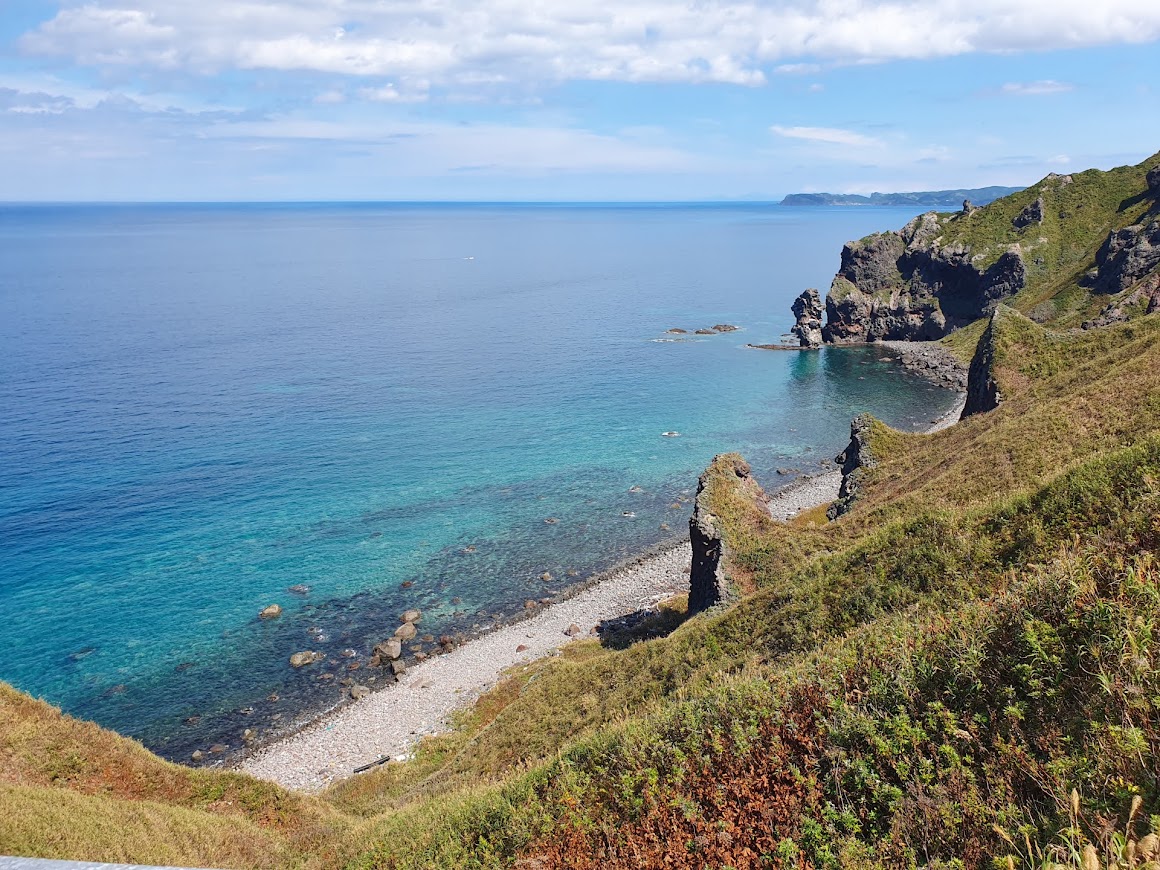


The midday sun was hot! Should have brought a hat but we were fearful of the “strong winds” that did not show on this day.

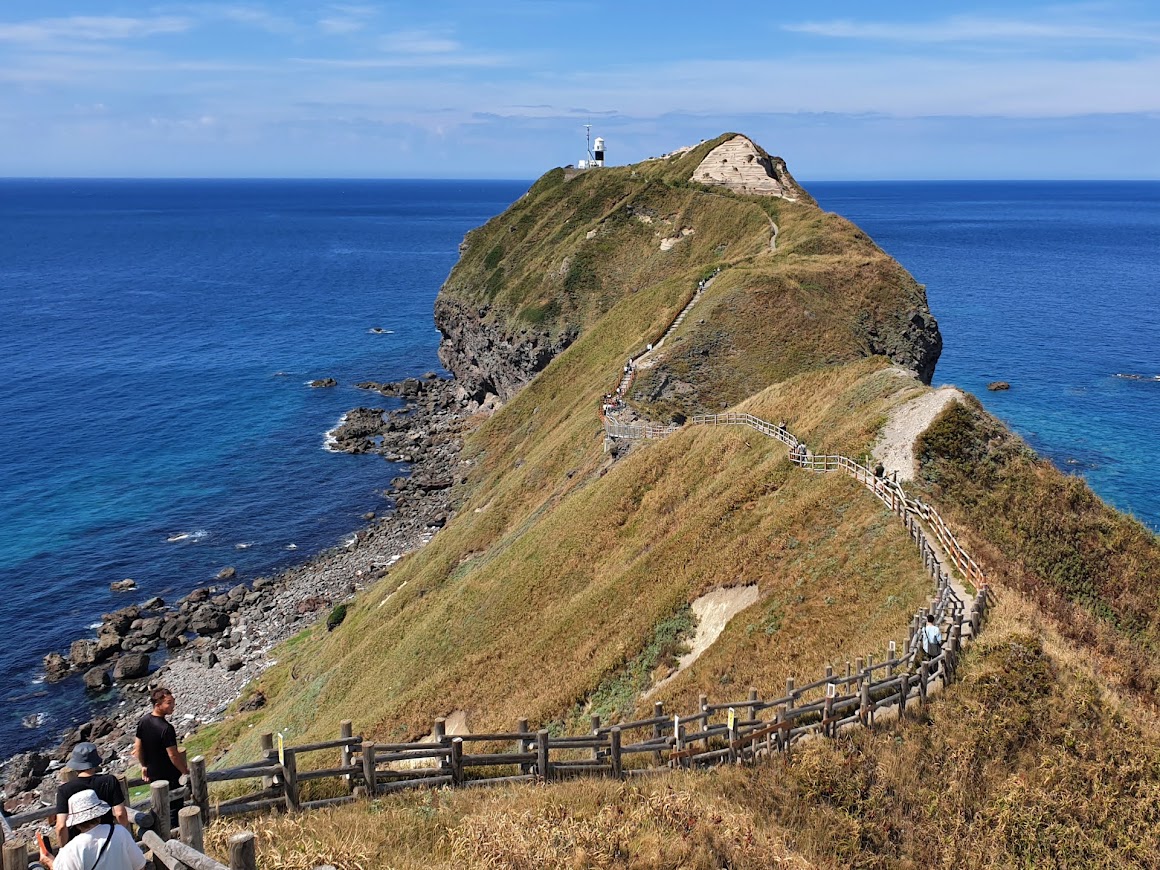
We stopped often to view the awesome coastal scenery and snapped photos. It actually took us about 40 minutes to get from the entrance to the lighthouse!
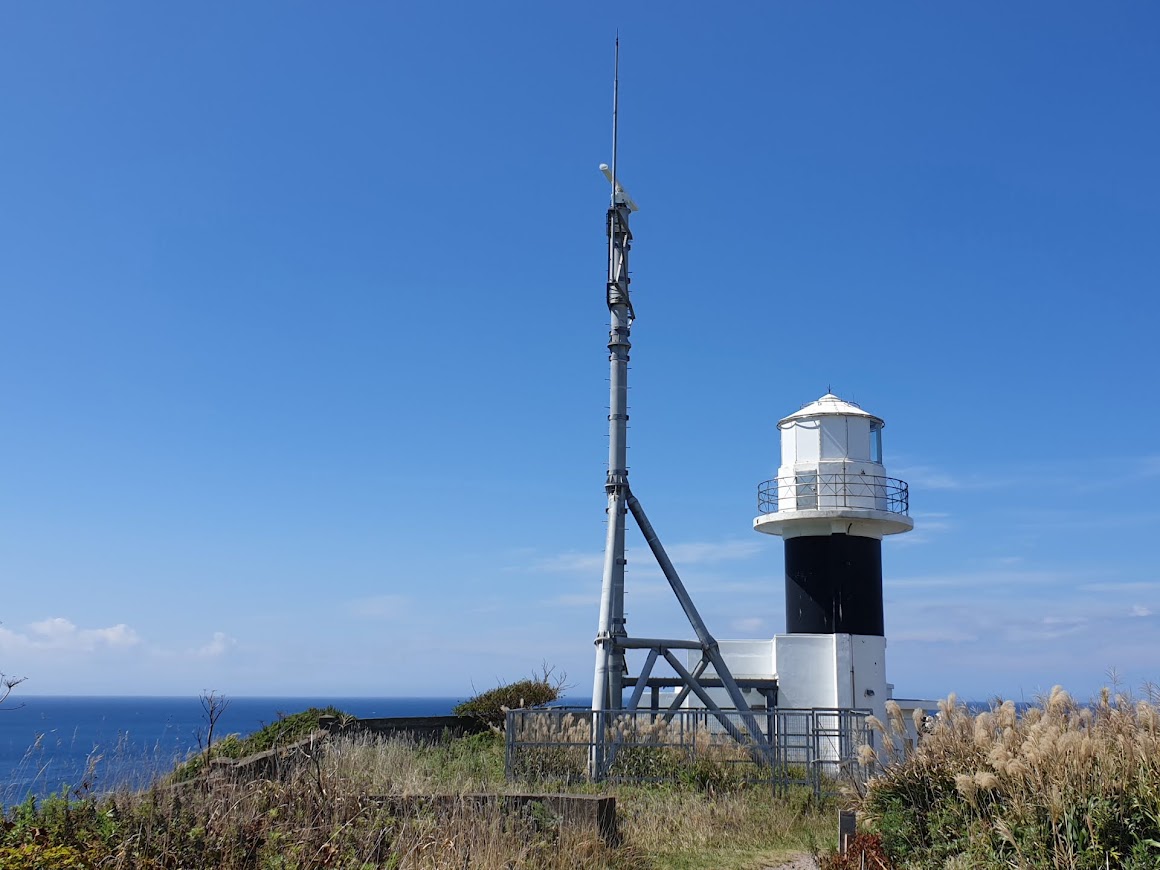
We were glad to take shelter in the shade of the lighthouse to cool down a little before going to see the Kamui Rocks.
The highlight is at the end of the trail. Here, we could see a set of rocks jutting out from the blue sea. There is one tall rock that is in the shape of a human. Legend has it that an Ainu princess was heartbroken after being abandoned by her lover who left Cape Kamui on a ship. She threw herself off the cliff and turned into this rock. Before dying, she also placed a curse that any ship with woman on board will capsized when passing by this place. Hence the “women is forbidden” sign at the entrance.


Enjoying the updraft at the edge of the cliff.

A view of the Shakotan coast from the tip of Cape Kamui.
Eating fresh sea urchin rice bowl at Osyokujidokoro Naramuraya
It was almost 1 PM when we left Cape Kamui. Time for lunch. Shakotan is famous for producing the best sea urchin in Japan. Summer is the best season for sea urchin in Shakotan, which started from June to August.

Based on my research, I had shortlisted two popular restaurants that served the fresh uni-don (sea urchin rice bowl). Osyokujidokoro Misaki and Osyokujidokoro Naramuraya are located about 12 km (16 minutes drive) from Cape Kamui. These restaurants are owned by fisherman in the area, so the sea urchin would be super fresh. According to the Naramuraya website, the fishing for sea urchins, octopus, and Atka mackerel begins at sunrise, and the owner himself does the fishing. The restaurant serves the Shakotan seafood that are freshly caught in the morning.
The two restaurants are located close to each other. We arrived at the Naramuraya first and I managed to park my car in the last available space in front of the restaurant. I was expecting queues based on reviews on the internet but we managed to get a table immediately.

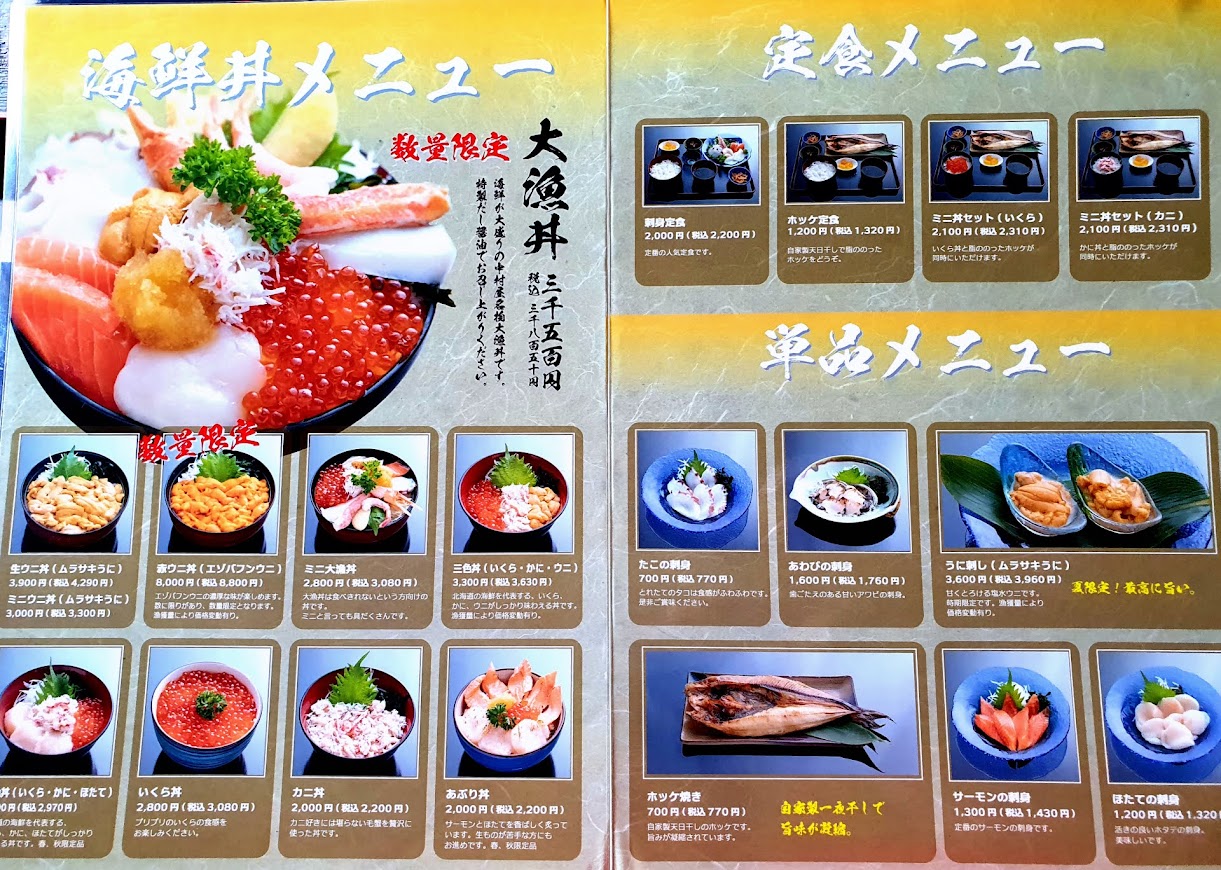
The restaurant serves two types of sea-urchin rice bowls. The purple sea urchin rice bowl costs 4290 yen (tax included) and the rare red sea urchin bowl (Ezobafununi) cost a whopping 8,800 yen (tax included).
There are also other rice bowls options such as the three-colour rice bowls and grilled fish.
My son and wife ordered the three-coloured rice bowls (with crab meat, purple sea urchin and ikura) for 3,630 Yen (tax included) each.

The three coloured rice bowls with crab meat, purple sea urchin and ikura. All rice bowls are served with wasabi, yellow pickles and miso soup.
They were surprised that I took a leap of faith and ordered the uni-don, a rice bowl topped entirely with the purple sea urchin. I figured that I may never pass this way again and this would probably be the last time I eat such fresh uni.

My purple sea urchin rice bowl with freshly caught Shakotan sea urchin.
The creamy sea urchin roe has no odor and is sweet and briny at the same time. I quite enjoy the unique taste and it balances well with the steamed rice.
Shimamui Coast
Our next destination, the Shimamui Coast at Cape Shakotan, is not far from the Naramuraya Restaurant. The Shimamui Coast was included in the top 100 coastlines of Japan.
We followed a sign that pointed to tunnel that is leading to the viewpoint of the Shimamui Coast.

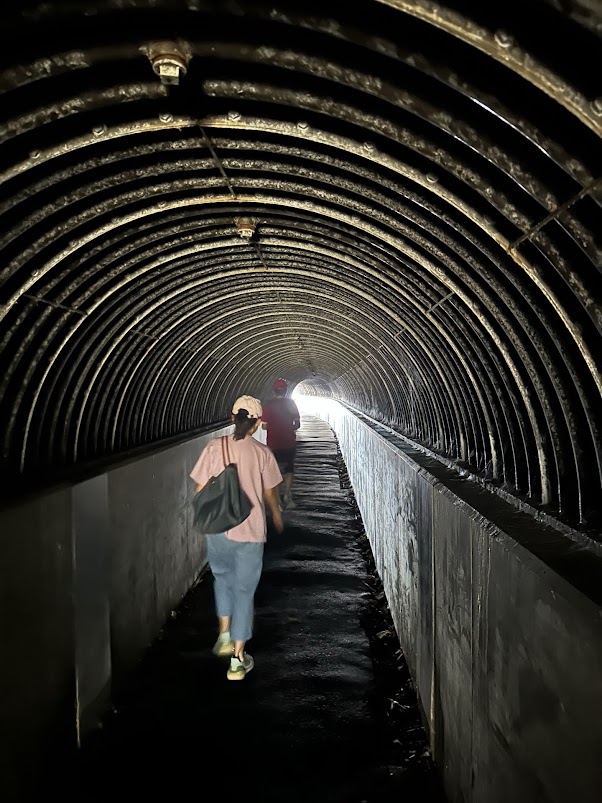


The sign proclaiming that this place is one of Japan's Top 100 most beautiful stretches of coastline. The waters off the Shimamui Coast on the Shakotan Peninsula are strikingly clear.
There is a path that leads down to the rocky beach below. My original plan was to hike down and chill on the beach. My plan was foiled by a bear!
Apparently a brown bear was sighted in the vicinity on 18 August, about 2 weeks ago. As a result, the path to the beach and hiking trails around this part of the coast were cordoned off with yellow tapes.

Since we did not spend too much time at the Shimamui Coast, we decided to go check out Cape Ogon that is the next cape located slightly east of Cape Shakotan.
We drove to Bikuni Port but were unable to locate the trail leading to the observatory point on top of the cape. The port was deserted so there was no one that we could ask for directions. After driving round a few minutes, we decided to abandon Cape Ogon and proceed to our next and final destination. On hindsight, I should have done more research before the trip so we would not miss the trailhead to the Cape Ogon.
Ebisu Rock & Daikoko Rock
Ebisu Rock & Daikoko Rock are located just off the coastal highway leading to Otaru from Cape Ogon. The small road on the left side that leads to the pair of rocks is easy to miss when driving down the coastal highway towards Yochi or Otaru. There is a small unofficial car park at the end of the road.
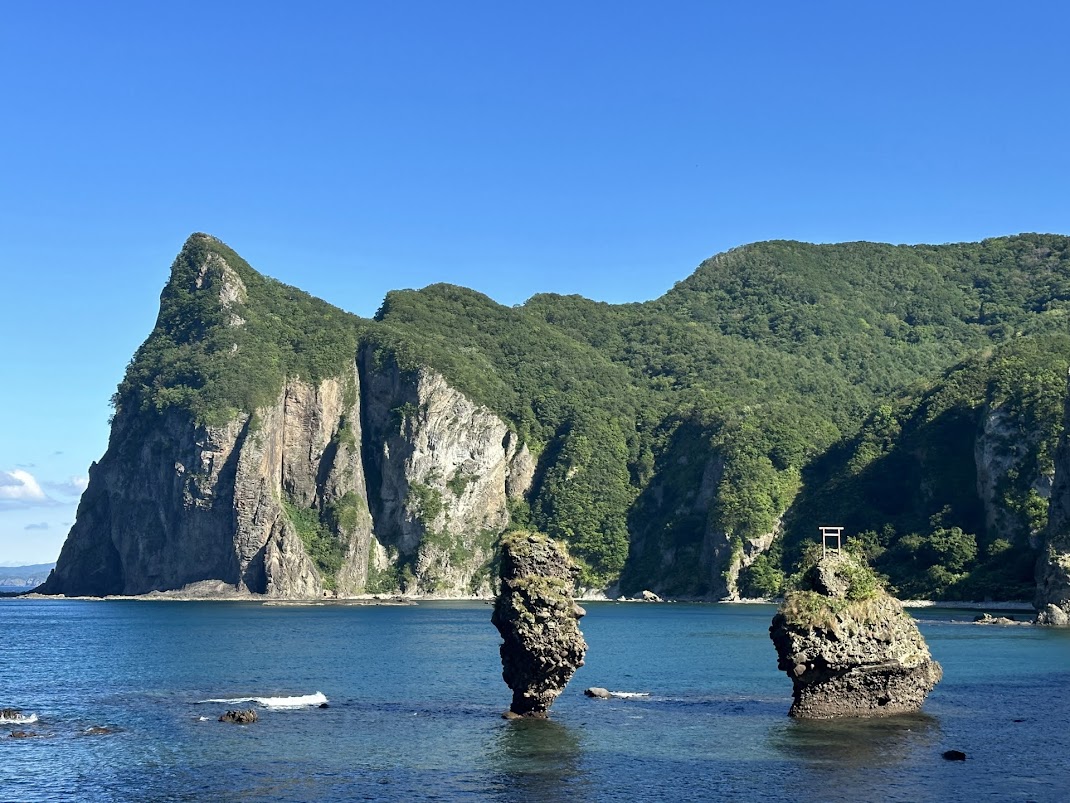
We walked back about 100 meters to get a closer view of both rocks that sit on shallow water just off the shore.

Closer view of the Ebisu Rock and Daikoko Rock. Daikoko Rock has a torii gate on top.
The two rocks are named after gods. The locals called them shintai - the physical entities that harbour spiritual beings. A torii could be seen on top of Daikoku Rock. A torii is a traditional Japanese gate most commonly found at the entrance of or within a Shinto shrine.


Ebisu Rock was the last attraction we saw on the Shakotan Peninsula. We arrived back in Otaru at about 4 PM and returned our rental car as planned.
We spent the rest of the day exploring Otaru on foot. This would be covered in a separate post.


 One of the wind chimes made with colourful glass along the street.
 Browsing inside one of the handicraft shop.
 This samurai actor depicted on the picture looks kind of familiar to me.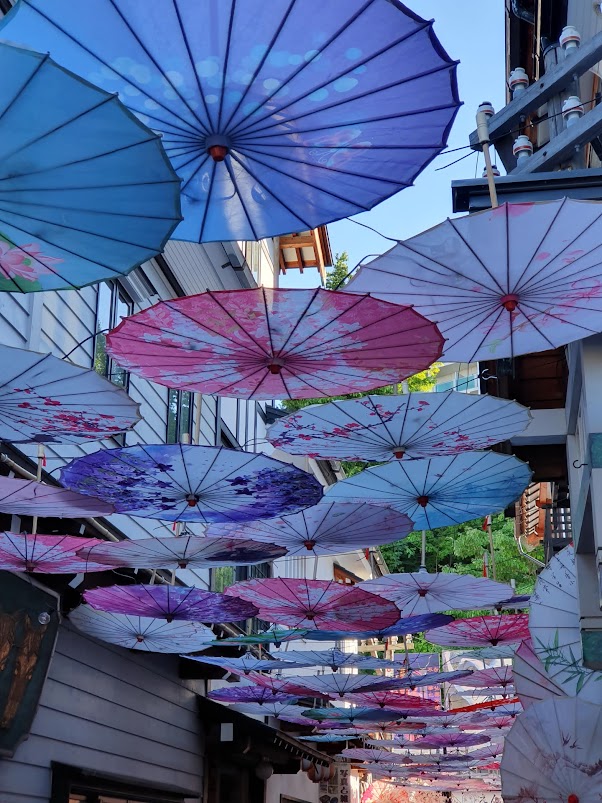
 We took a quick photo outside the Hello Kitty Cafe located next to the music box museum.
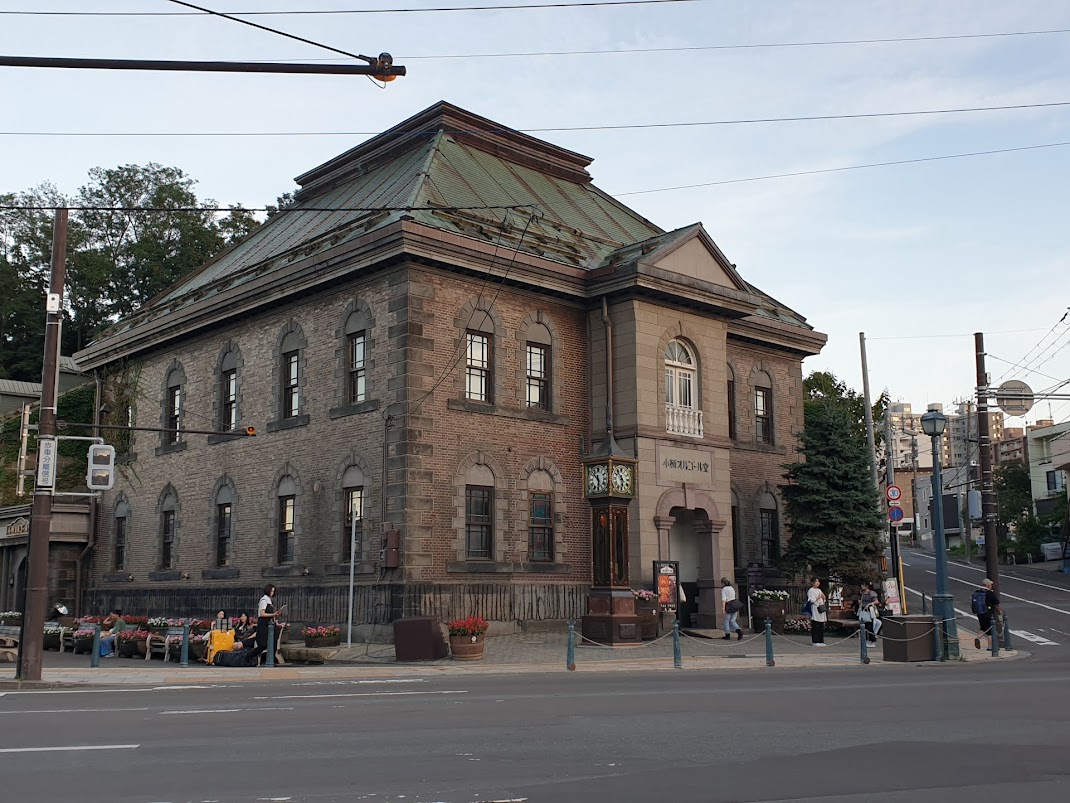 The Otaru Music Box Museum located at one end of Sakaimachi Street. Note the steam clock standing just in front of the entrance.


 Can select a music box mechanism from many available tunes. There are traditional, classical music and even modern pop tunes.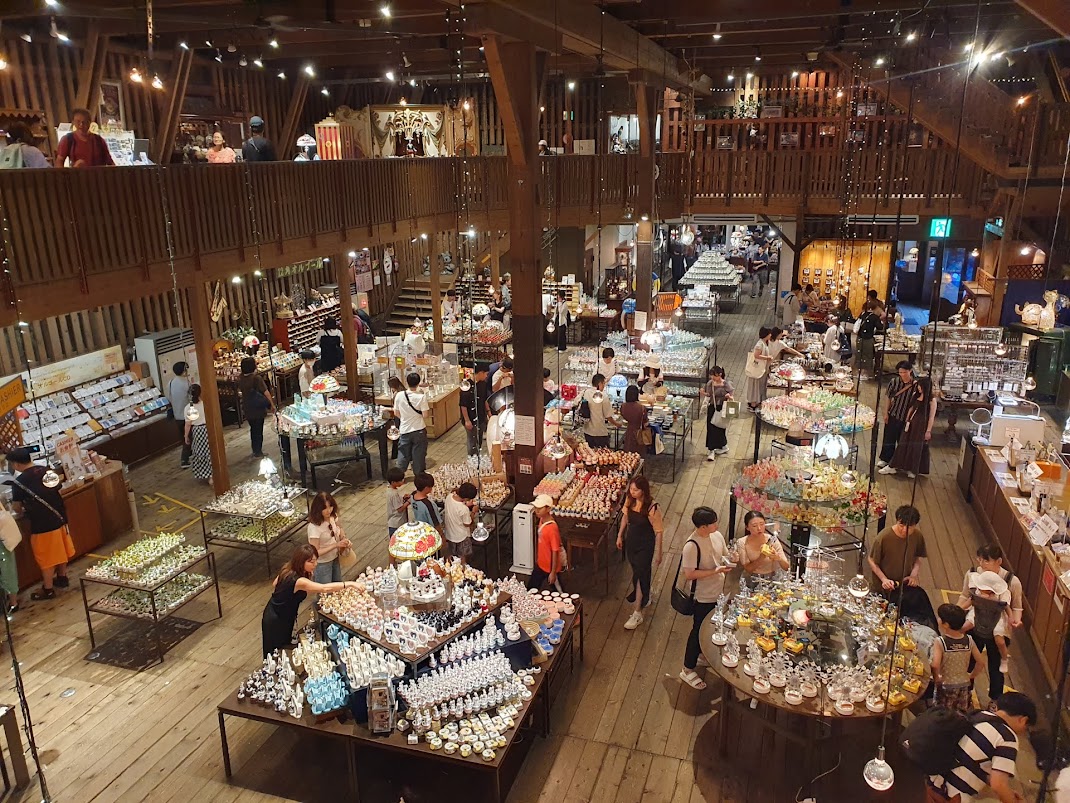


 The Zangi which is Hokkaido’s fried chicken.